Category:
Web Design
Sendo Farm – An online fresh market with convenient neighborhood pickup points (6,000+ locations).
Sourced from VietGAP/OCOP-certified farms and delivered via cold-chain logistics to ensure freshness like traditional markets.
👉 Order vegetables, meat, and fruits tonight – pick them up at your nearby neighborhood point the next afternoon — simple, reliable, and fits your daily routine.

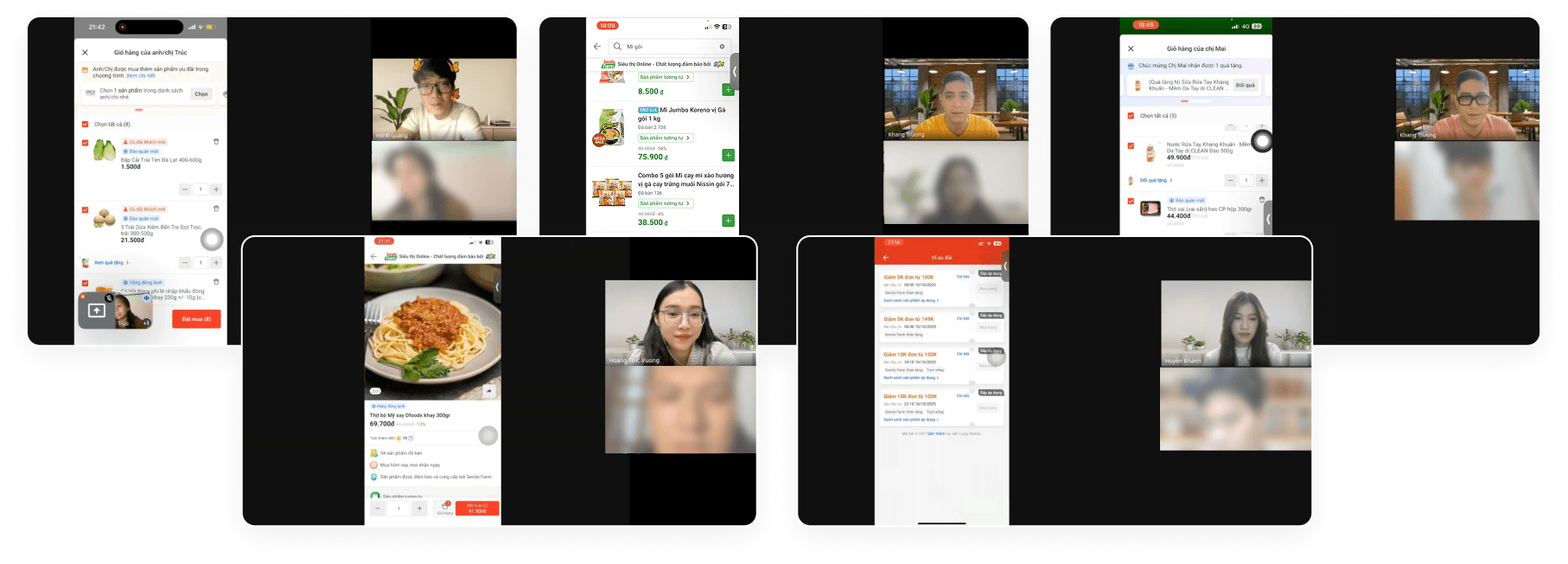
Usability testing
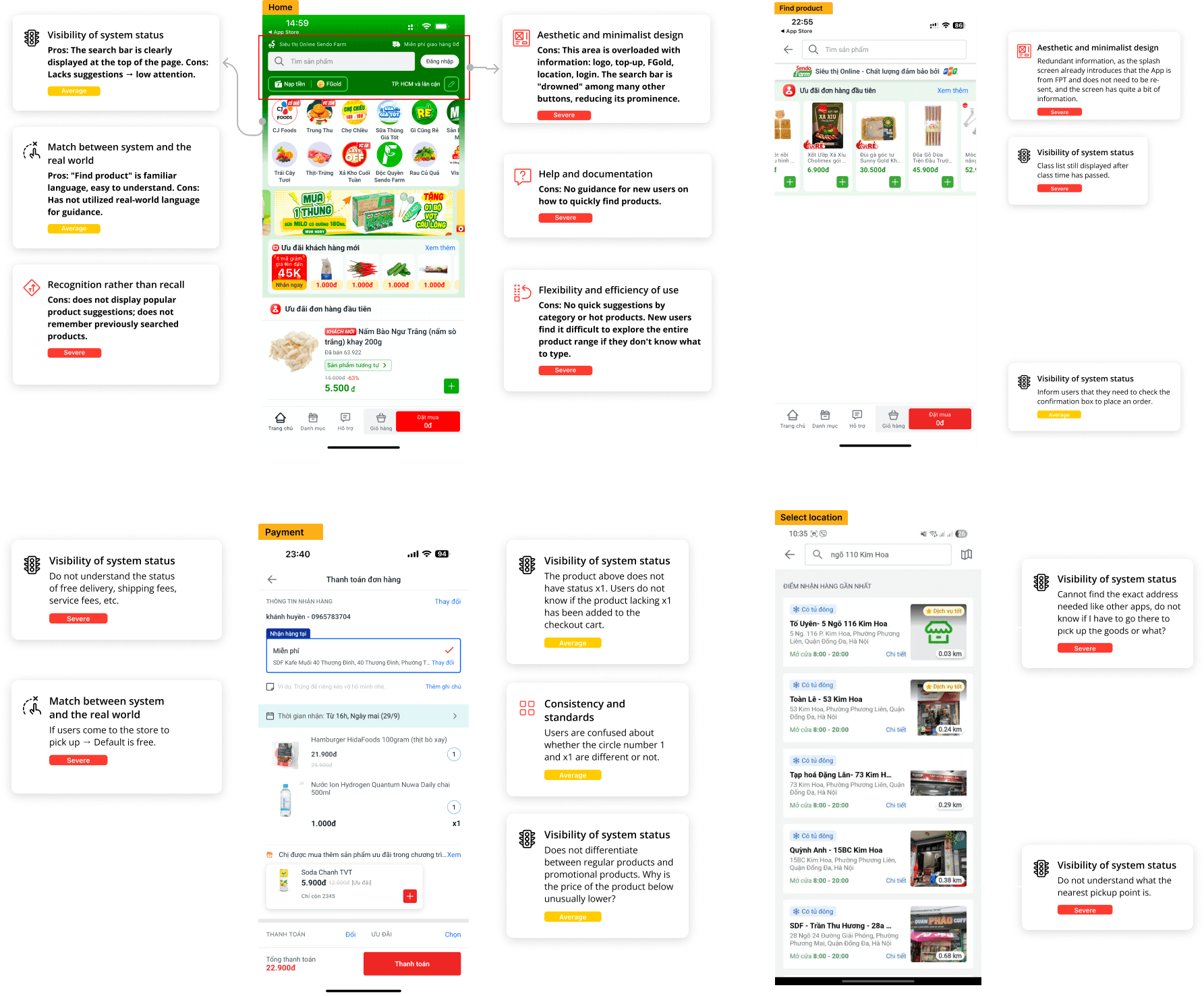
We conduct UT testing to verify the ease of use and effectiveness of the product.
Analyze the user journey to identify key touchpoints and emerging issues.
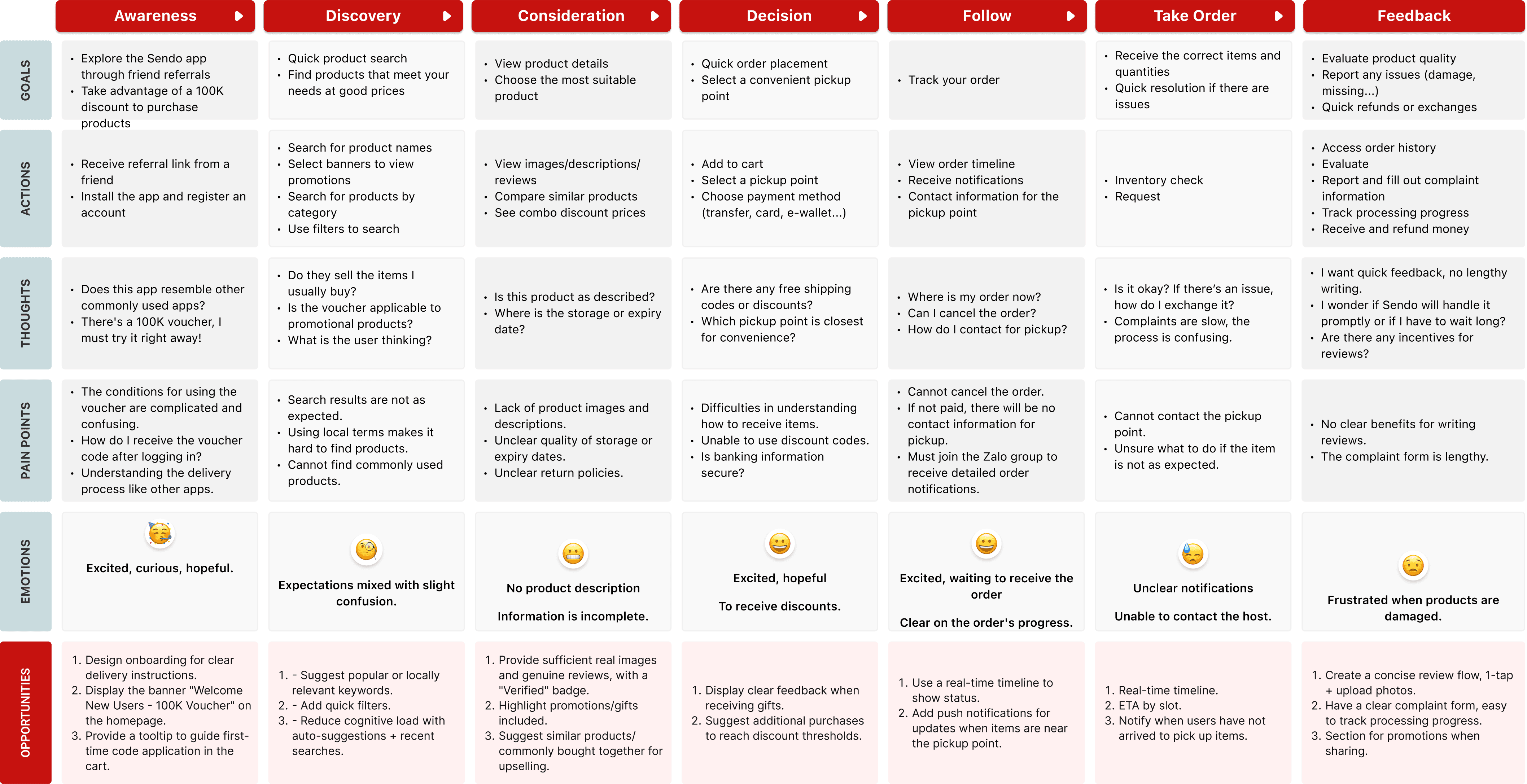
Summary of key issues
The lack of suitable filters makes the search ineffective, reducing the motivation to purchase.
Unclear promotional conditions lead to skepticism and missed opportunities to take advantage of offers.
The absence of reviews from other buyers makes users hesitant to complete their orders, especially for fresh products.
Trust comes not only from the app experience and the quality upon receipt, but also from the feeling of control, familiarity when shopping, and transparency throughout the delivery process.
Goal Statement

Improve onboard experience to build initial trust
Help new users understand the system, complete their first order smoothly, and achieve a strong “first-time” experience — building trust and encouraging continued usage.

Increase purchase frequency & reduce decision effort
Simplify daily shopping through bundles, personalized recommendations, AI-assisted selection, recurring reminders, and auto-ordering — enabling faster, more convenient, and lower-effort purchases.

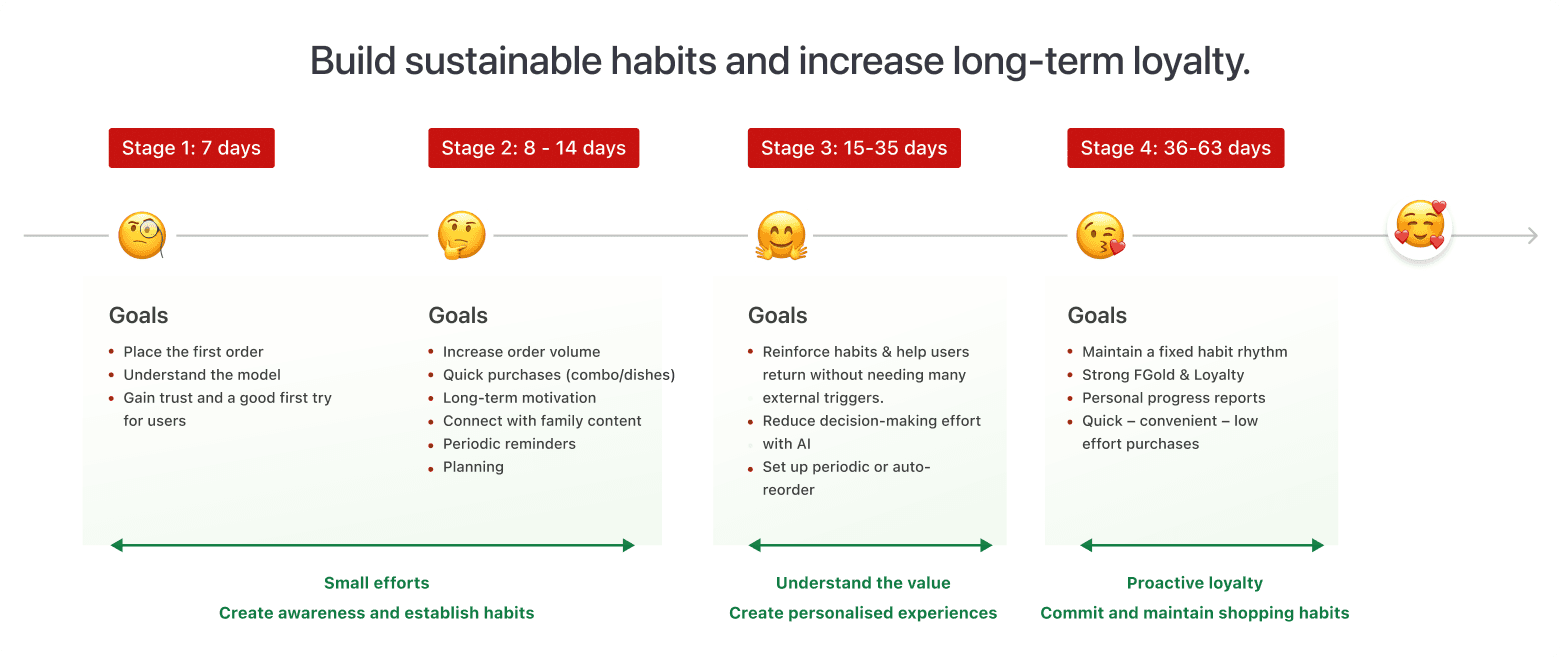
Build sustainable habits & increase long-term loyalty
Encourage consistent shopping behavior, driving return usage even without reminders, while strengthening loyalty through FGold, incentives, and personalized progress tracking.
Solution Mapping
Problems
Users lack assurance regarding product quality
Difficult to verify freshness and origin
Do not trust photos or descriptive information
Difficulty in finding suitable products
Hard to locate the desired product
Search results do not match keywords
The explanatory content is unclear, causing confusion for users
Not understanding or incorrectly applying promotional conditions
Unaware of why the discount code cannot be used
The delivery process is confusing and lacks supportive information
Takes a long time to understand how to receive items
Unable to find contact information when issues arise
Users only return when there is an immediate need, not seeing a clear sense of benefit
No elements to stimulate purchasing needs, so they only remember when truly necessary
How might we
Increase trust levels by reducing risks related to quality, origin, and delivery — helping users feel secure when they start using it.
Support users in making choices easily, creating a sense of companionship, support, and 'help' in meal planning or regular shopping.
Build long-term trust by maintaining a stable and reliable experience when situations arise (e.g., returns, post-purchase support).
Clarify the core value of the 'order first - receive later' model, making it easier for new users to understand and feel confident from the first experience.
Increase the frequency of returns naturally, as part of the food shopping habit?


Affinity Mapping & Effort Matrix
Effort Matrix: Determining the priority level of the issues that need to be addressed.
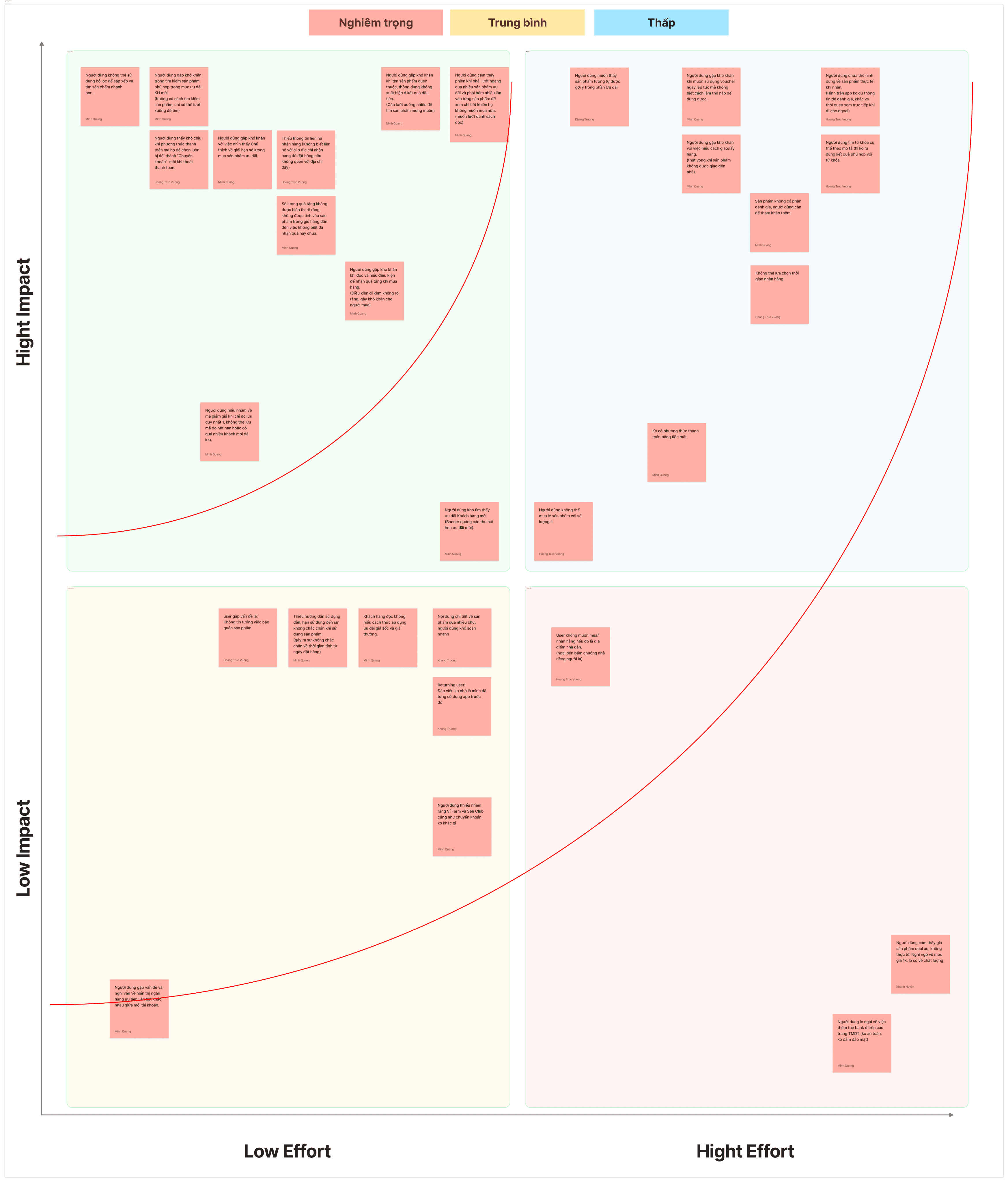
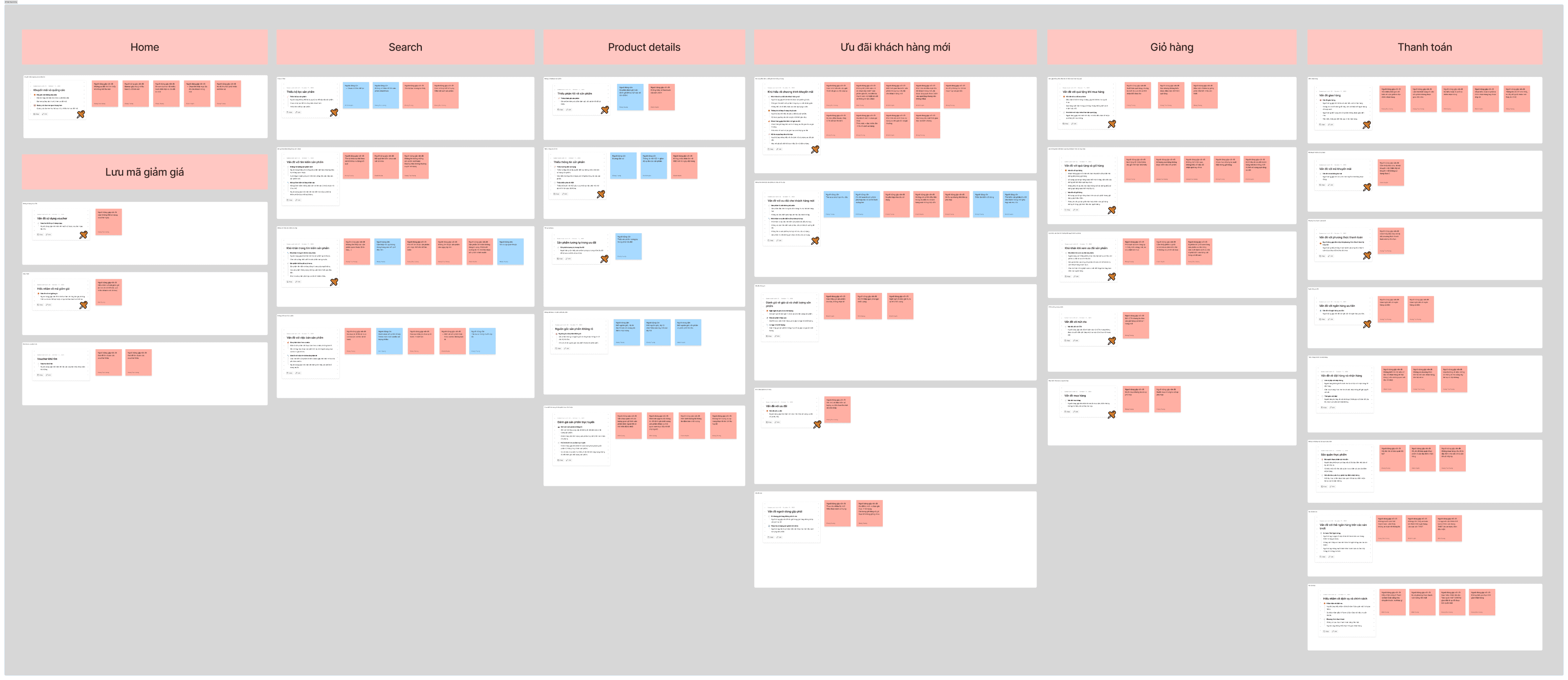
A summary of issues from HE, UT, and the Customer Journey, compared against business objectives and competitor analysis. Use Affinity Mapping to group insights. From there, build an Effort Matrix to prioritise solutions based on impact and resources.
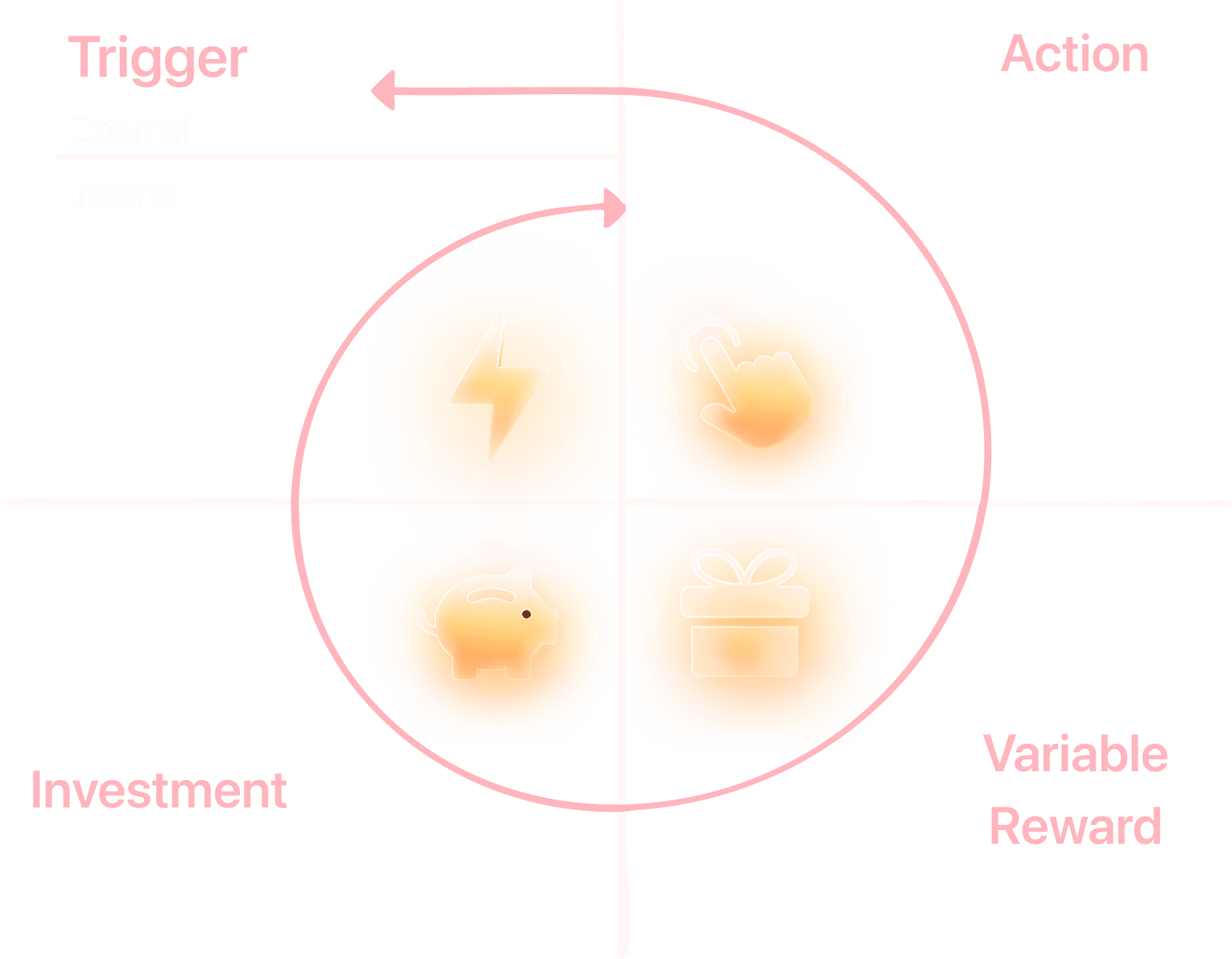
Applying the Hooked Model to identify goals at each stage, from initial testing to maintaining long-term habits.
Users are introduced to the pre-order model without enough context, making it unclear how the pickup process works.
When key information feels fragmented, trust is harder to build from the very first interaction.

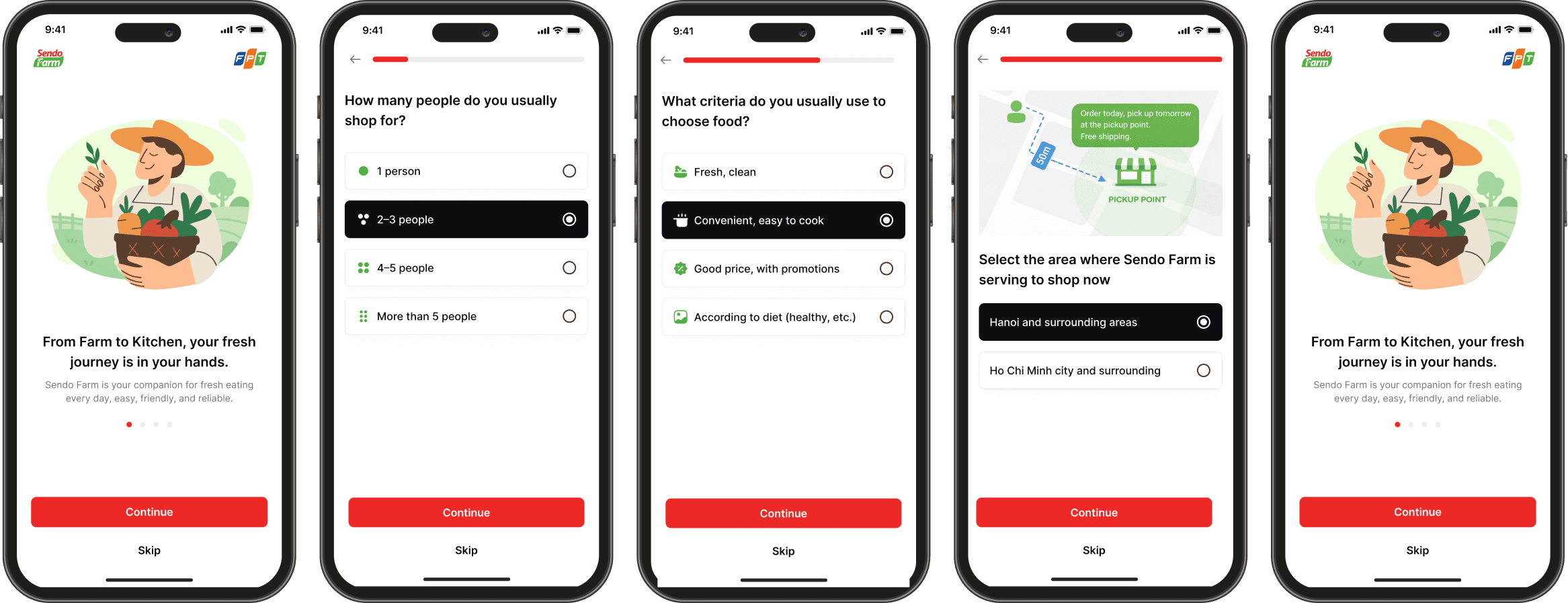
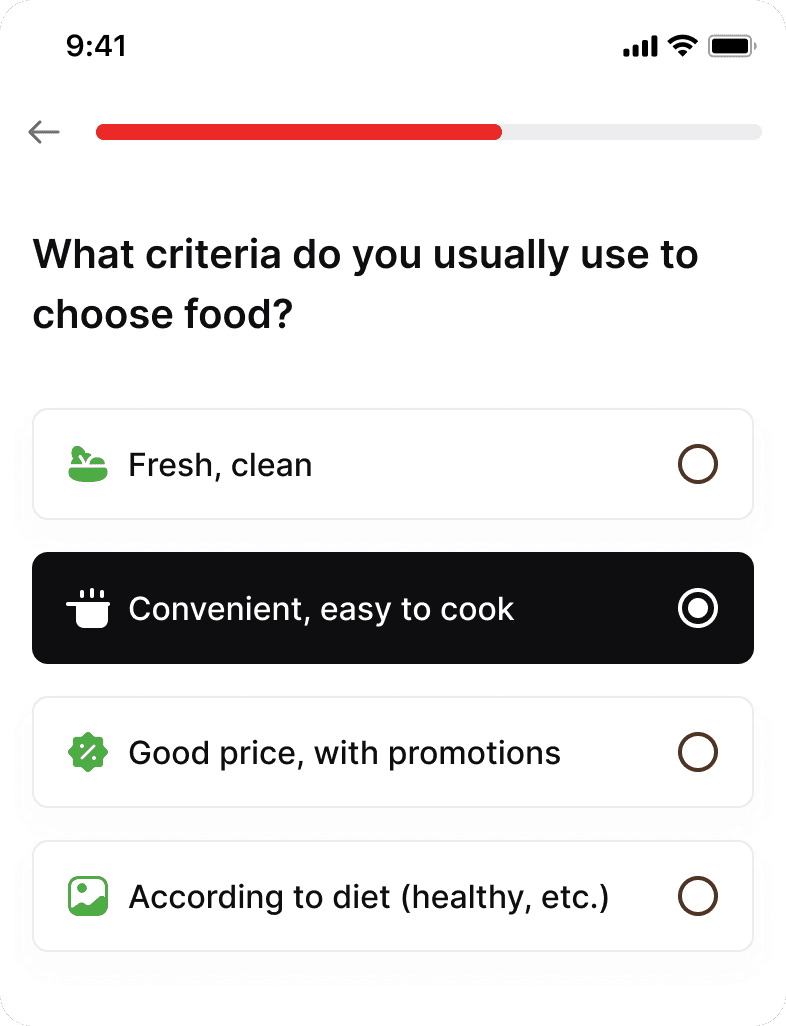
A concise onboarding design helps convey the pre-order model – pick up at the point and core values.
A quick survey to personalise dining needs and product suggestions from the very first use.
Clarify benefits, processes, and quality commitments to build trust right from the first session.
For new users
New users are expected to place their first order without fully understanding what they gain or how the offer works. As a result, users hesitate — highlighting the need to better leverage reward dynamics, value anchoring, and scarcity cues.
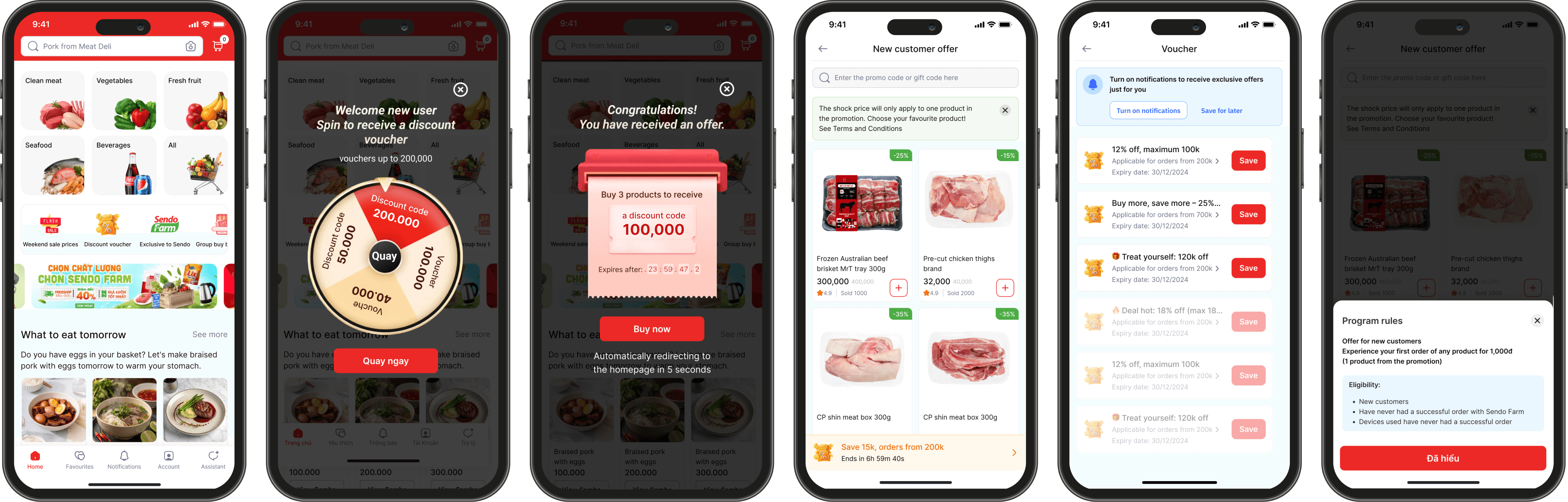
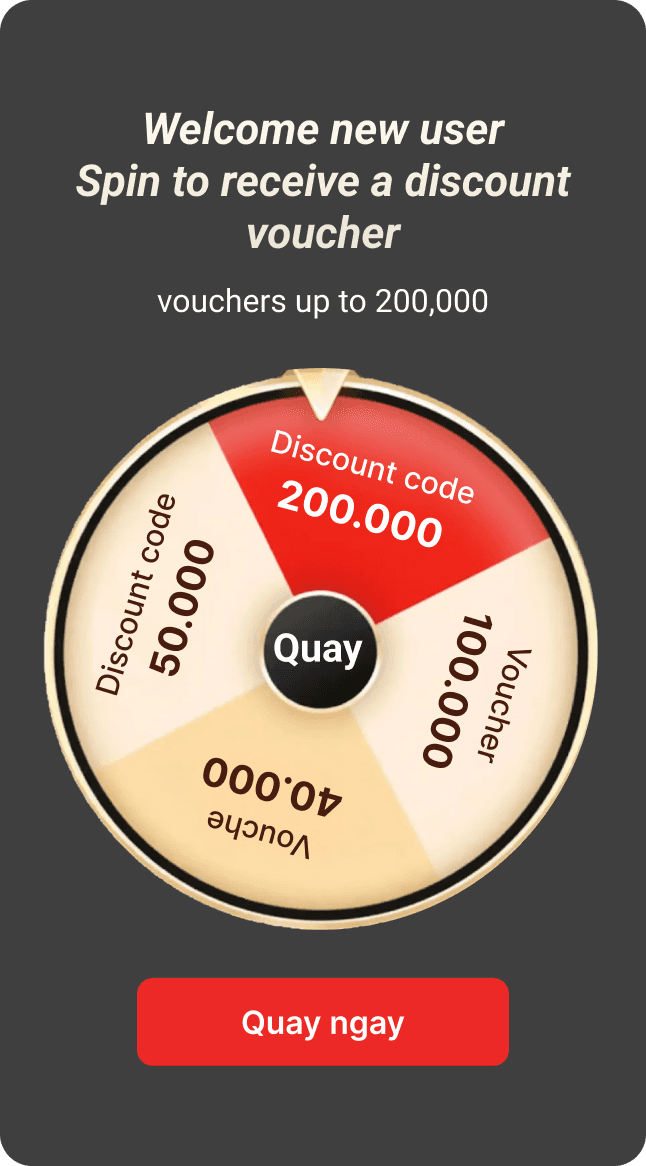
Create a reward loop (e.g. spin wheel) to trigger action and motivate users to place their first order
Introduce high-value deals to create a strong “first-time benefit” perception from the very first interaction
Structure categories clearly and make them easily accessible to reduce cognitive load during browsing and search
Users struggle to find the right products due to inaccurate results and limited filtering.
By reducing cognitive load and leveraging recognition and anchoring, the experience becomes faster and easier to navigate.
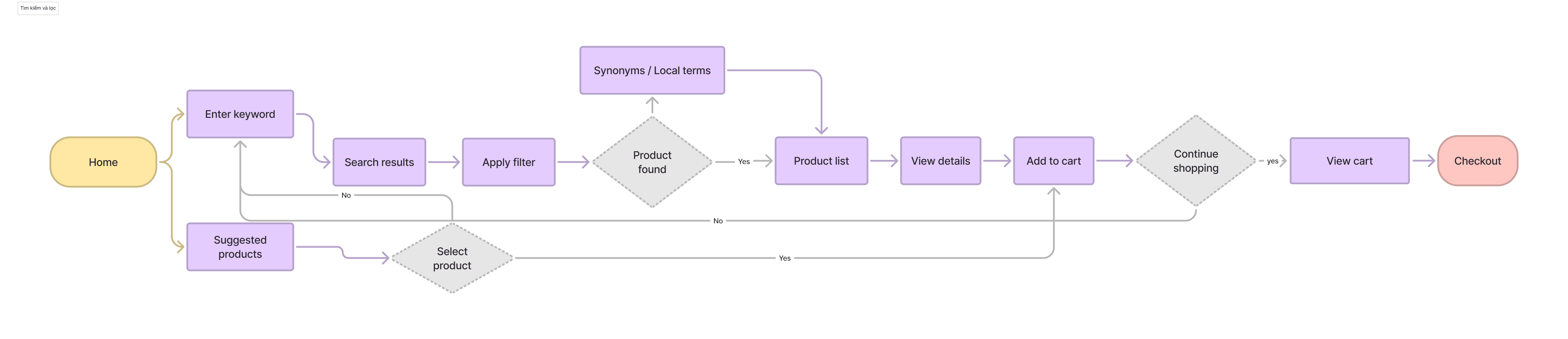
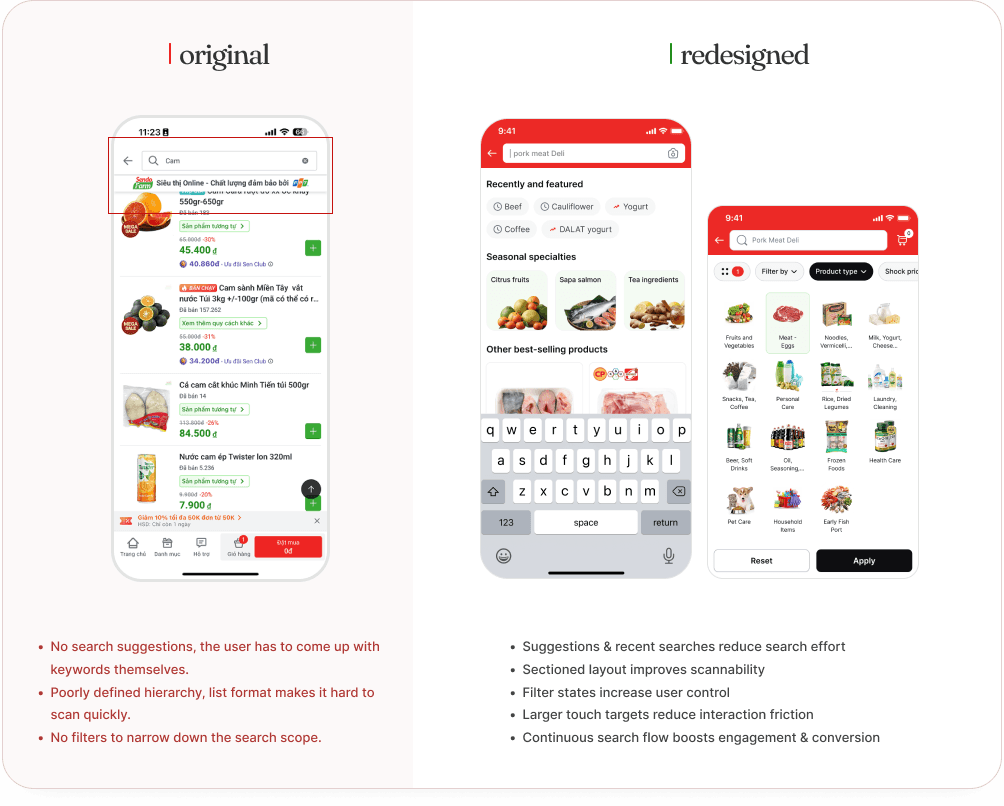
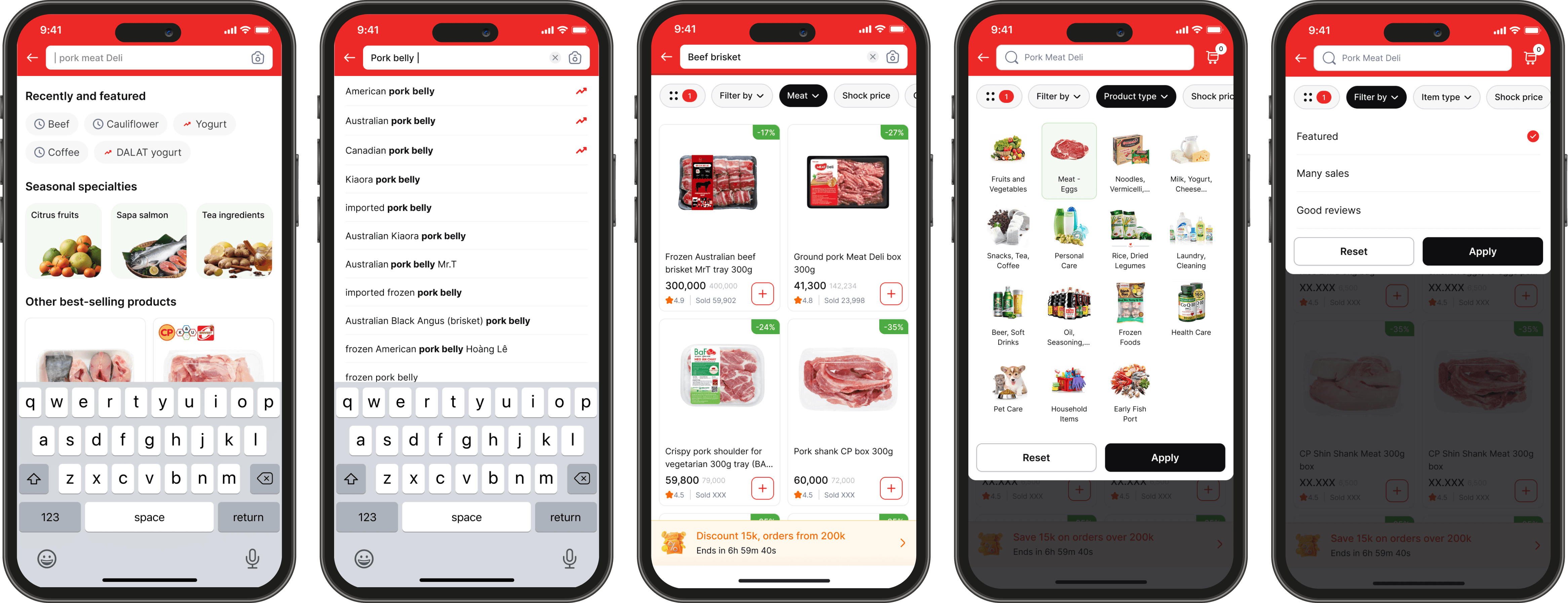
Improve search and discovery by combining clearer filtering, smart suggestions, and contextual keyword alternatives based on user behavior and intent.
Notification
Offers – periodic reminders – combo suggestions – reminders for collection
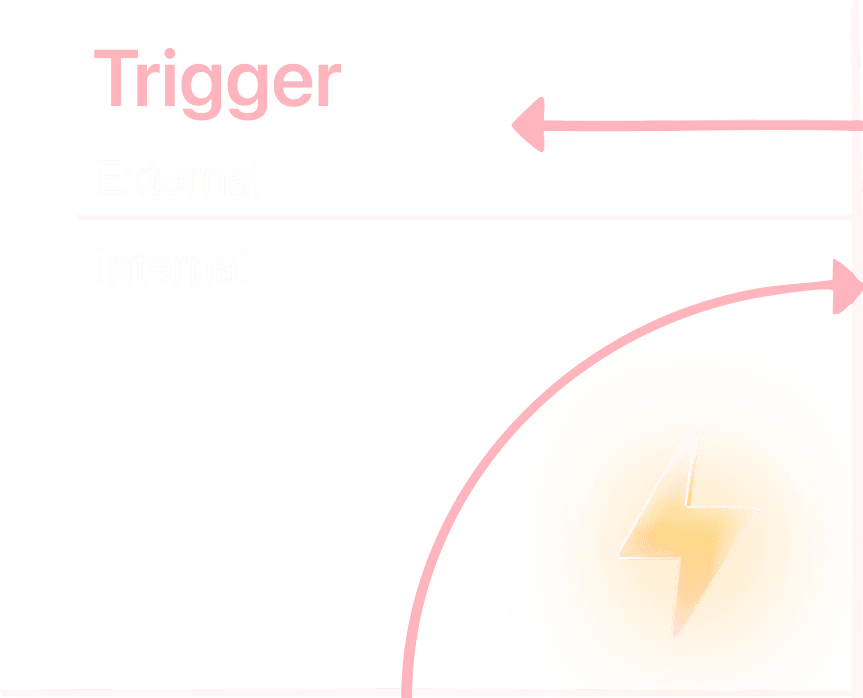
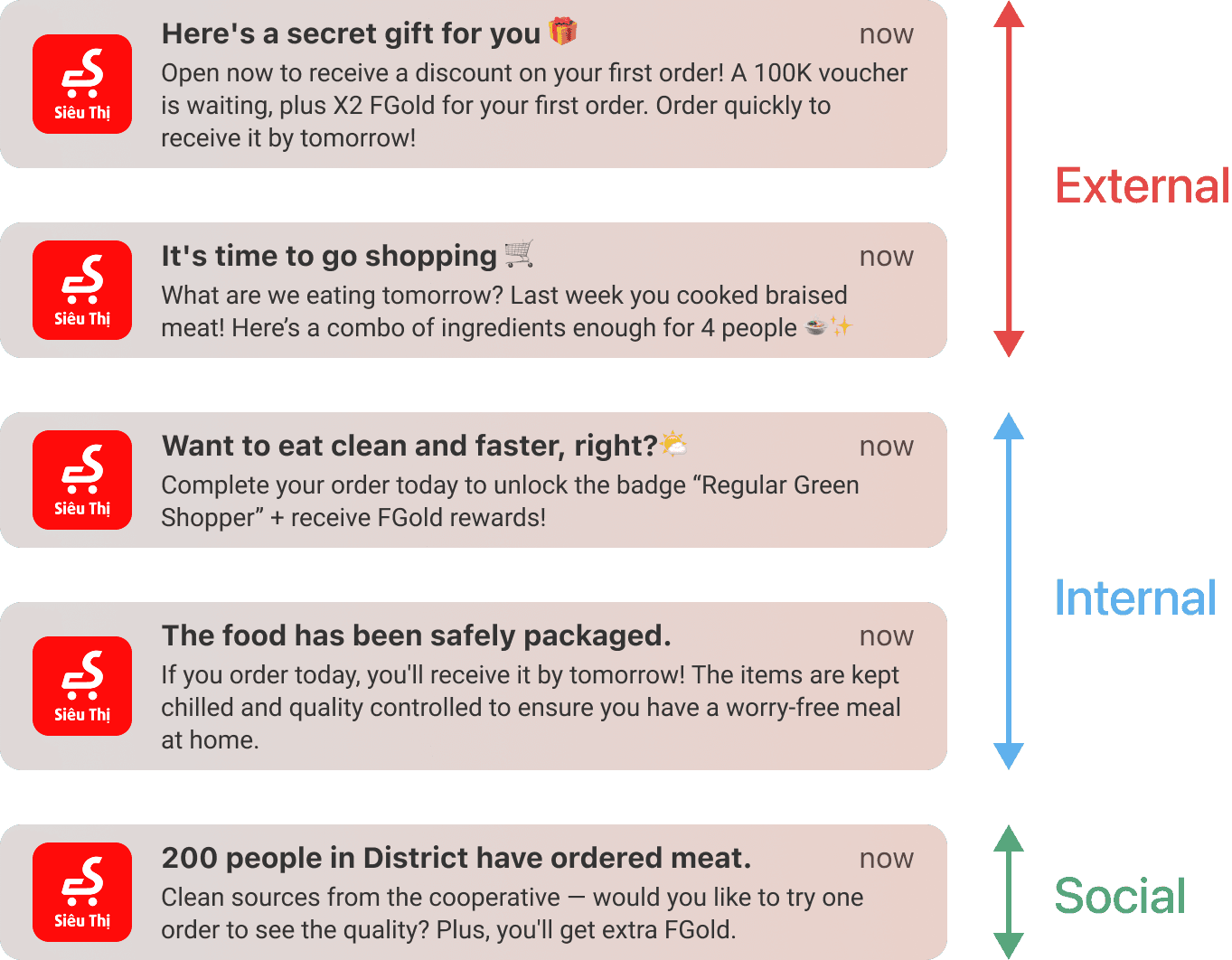
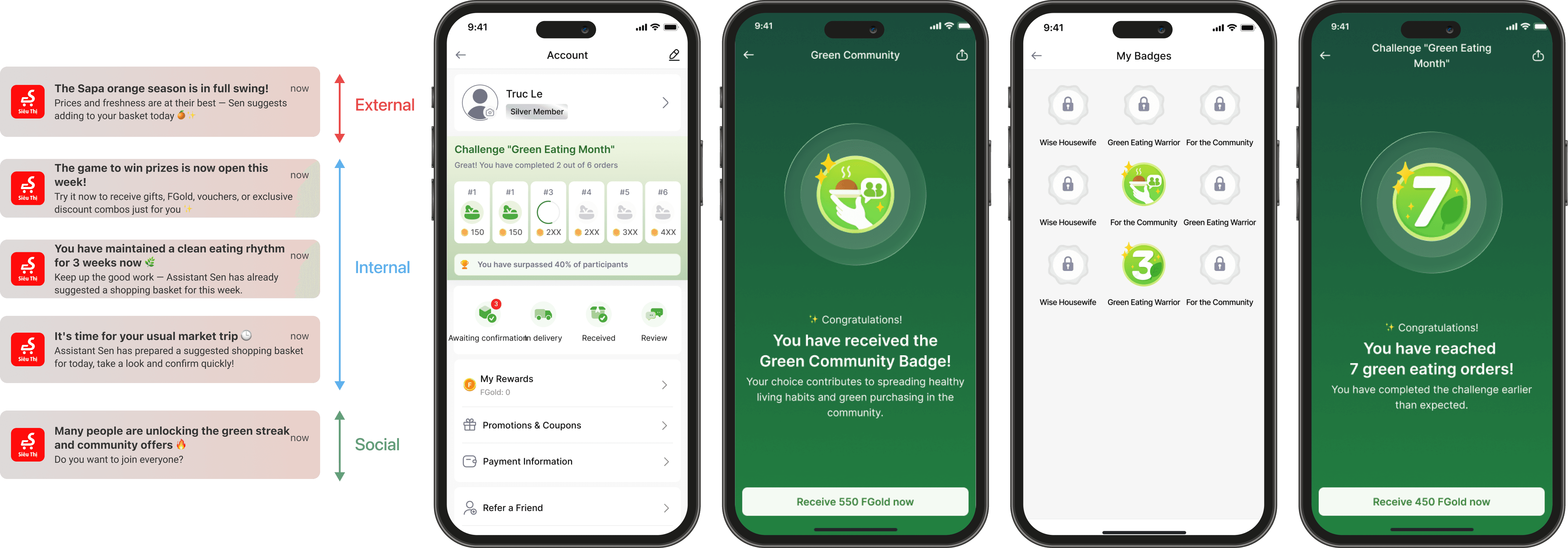
Notifications act as both external and internal triggers in the Hook Model, bringing users back at the right moment.
Combined with gamification rewards and social signals, they create continuous feedback loops that drive action and reinforce habits.
This turns occasional engagement into consistent, behavior-driven usage over time.
Users cannot choose delivery date/time without clear guidance, while promotions and vouchers remain hard to understand and navigate.

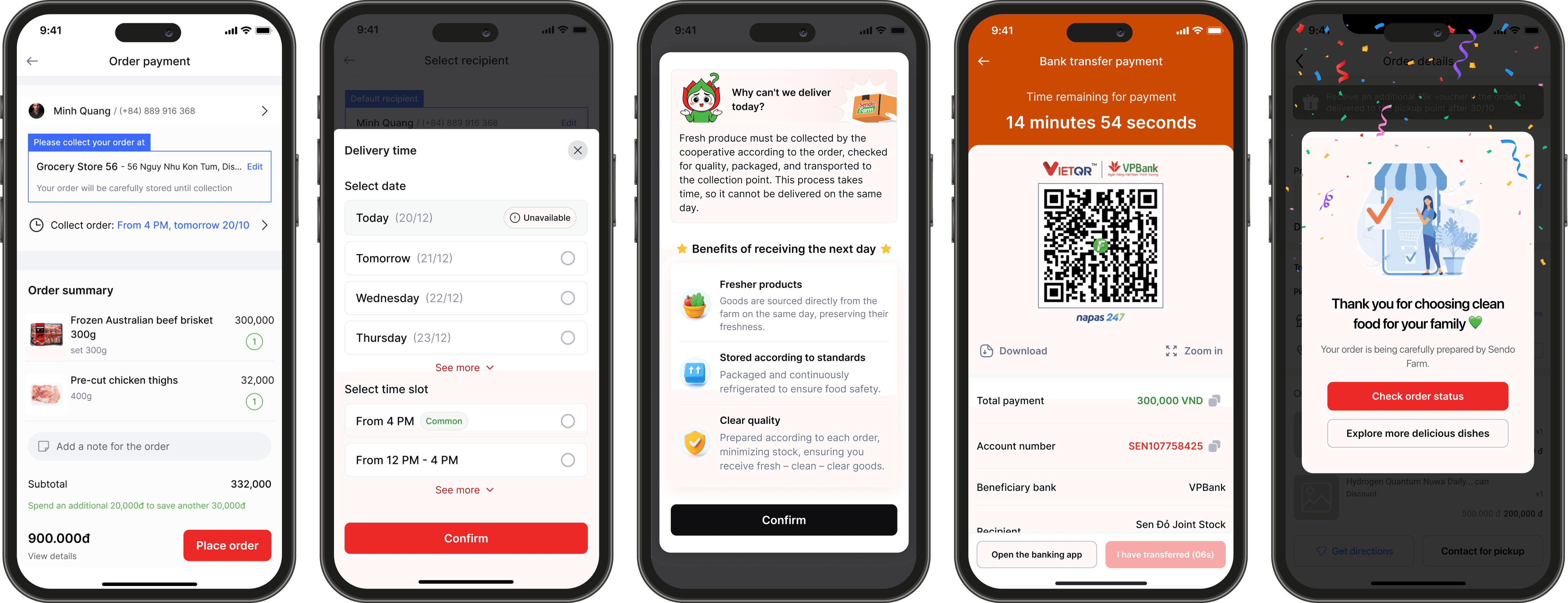
Provide transparent delivery time slots with clear explanations when selection is unavailable
Optimize promotions and rewards by consolidating vouchers, auto-applying the best options, and clearly displaying benefits and bundled offers
Offer flexible payment methods (e.g. e-wallets, online, pay-later) to improve checkout completion rates
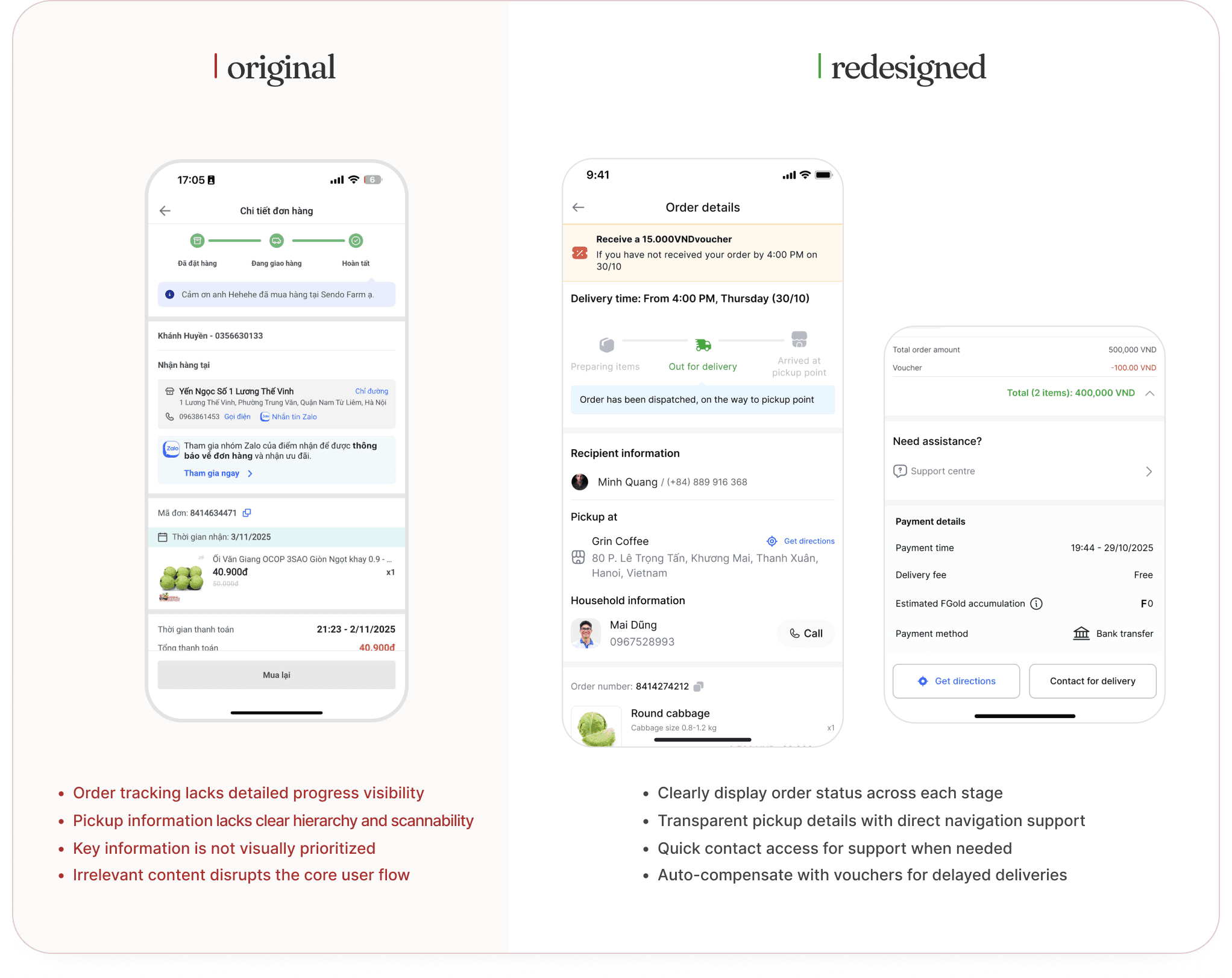
The delivery process lacks transparency, leaving users unsure where their order is, who is responsible at the pickup point, and how to get support when issues arise.
This gap highlights the need for clearer tracking, ownership visibility, and more accessible support throughout the journey.
Users spend time and mental effort deciding what to eat each day, without an easy way to plan ahead or save preferred items for quick future purchases.
This highlights an opportunity to support meal planning and streamline repeat decisions.
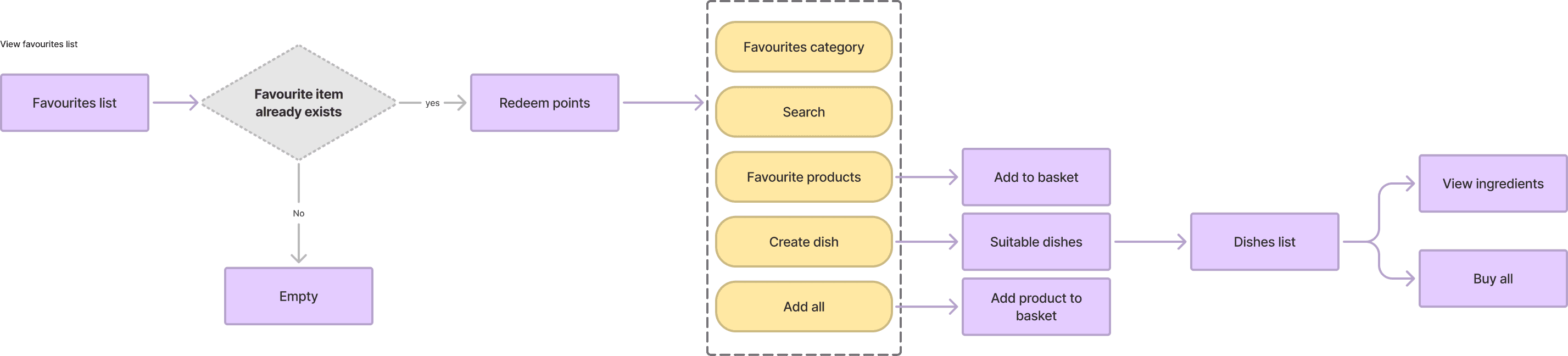
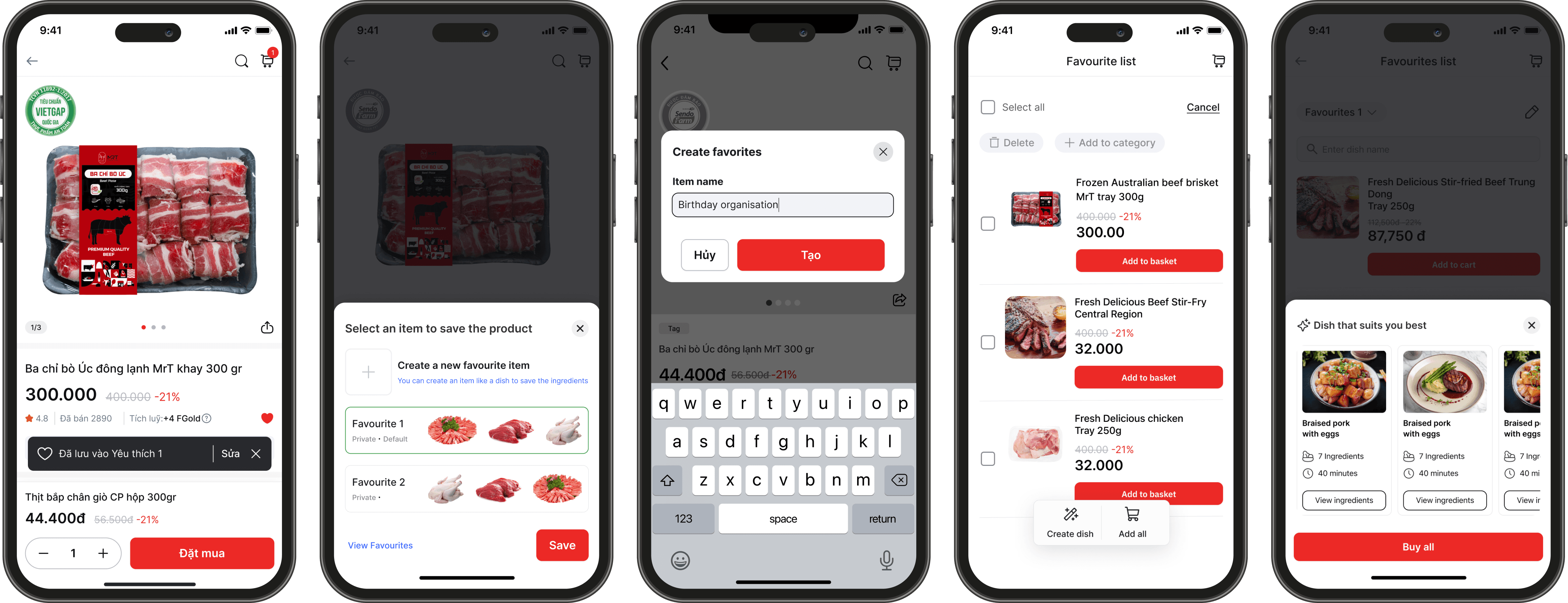
Save products to create personalized wishlists
Organize items into groups (meals, occasions, family needs) for easy reuse
Provide quick contact access for support when needed
Recommend relevant combos, meals, and ingredients based on saved items
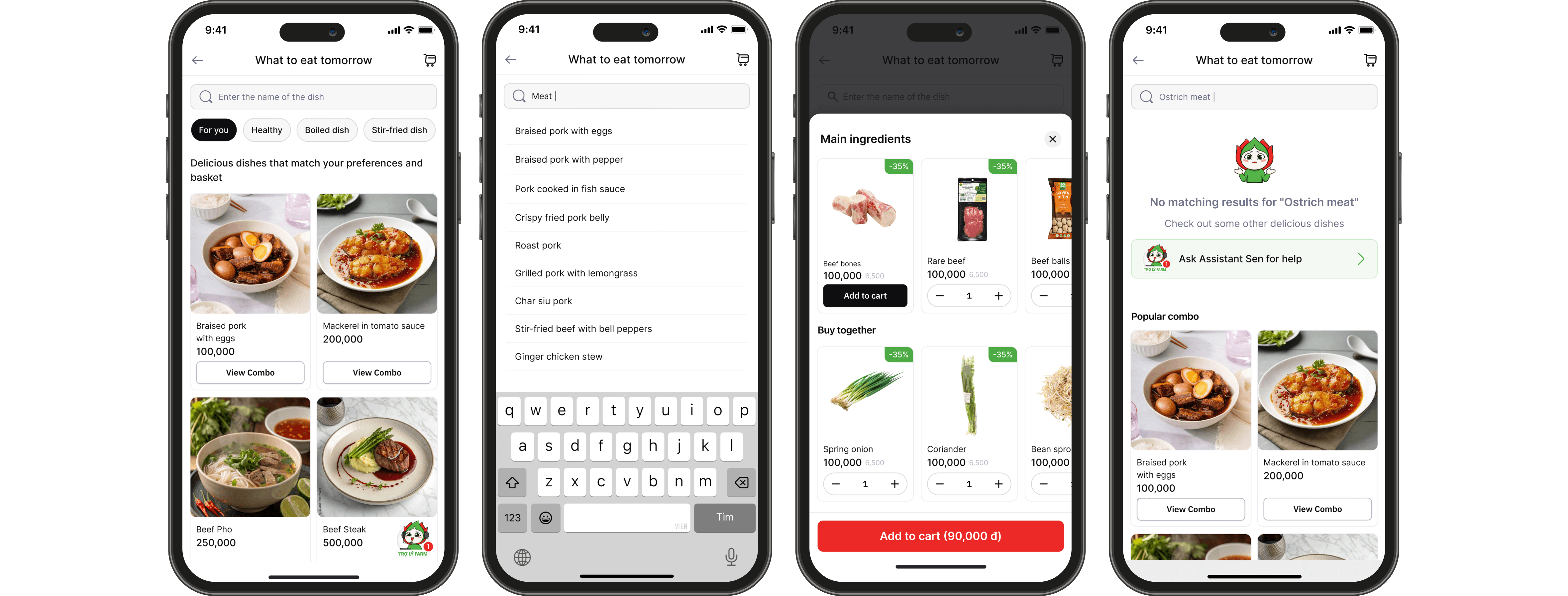
Recommend meals based on user preferences, purchase history, and cart context
Present complete ingredient bundles with optional add-ons to support meal completion
Enable fast meal discovery with fallback suggestions when results are unavailable
Awards
In the Hook Model, variable reward is a key driver that introduces unpredictable incentives.
This uncertainty sparks curiosity and keeps users coming back for the experience.
Over time, it reinforces repeated behavior and builds lasting habits.
Users return, but the long-term value of loyalty remains unclear.
Without a clear sense of progression or rewards, motivation to stay engaged weakens — highlighting the need for an accumulative loyalty system.

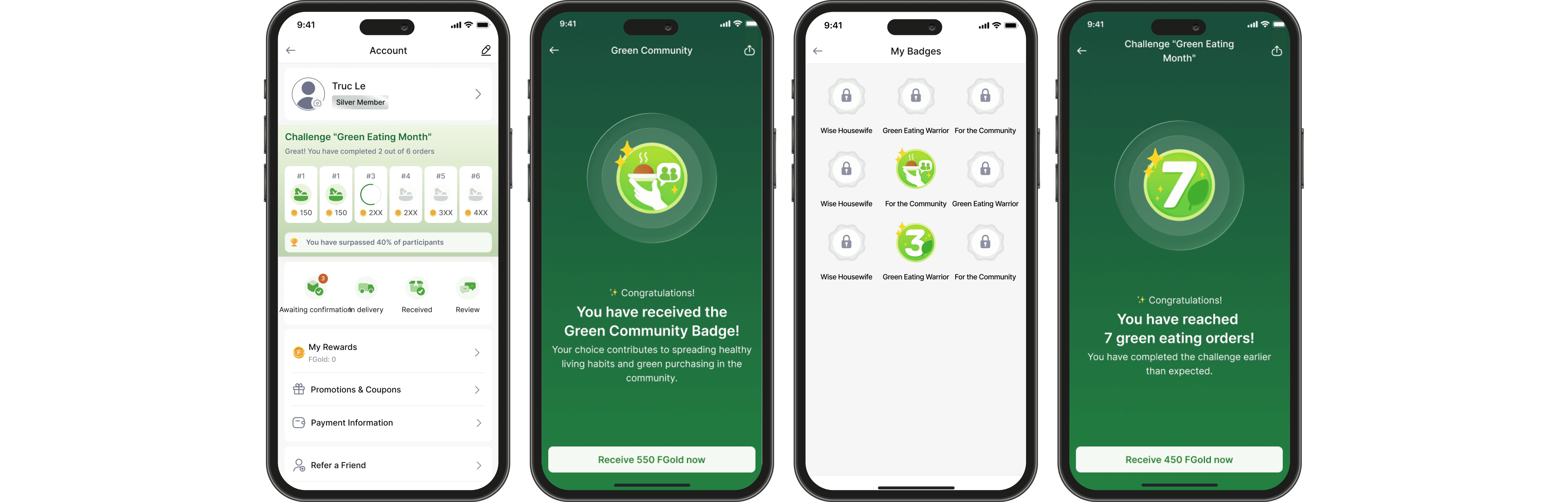
The membership system introduces a clear sense of progression through point accumulation, tiered benefits, and exclusive rewards.
By making value more visible over time, it motivates repeat purchases, encourages users to level up, and strengthens long-term engagement.
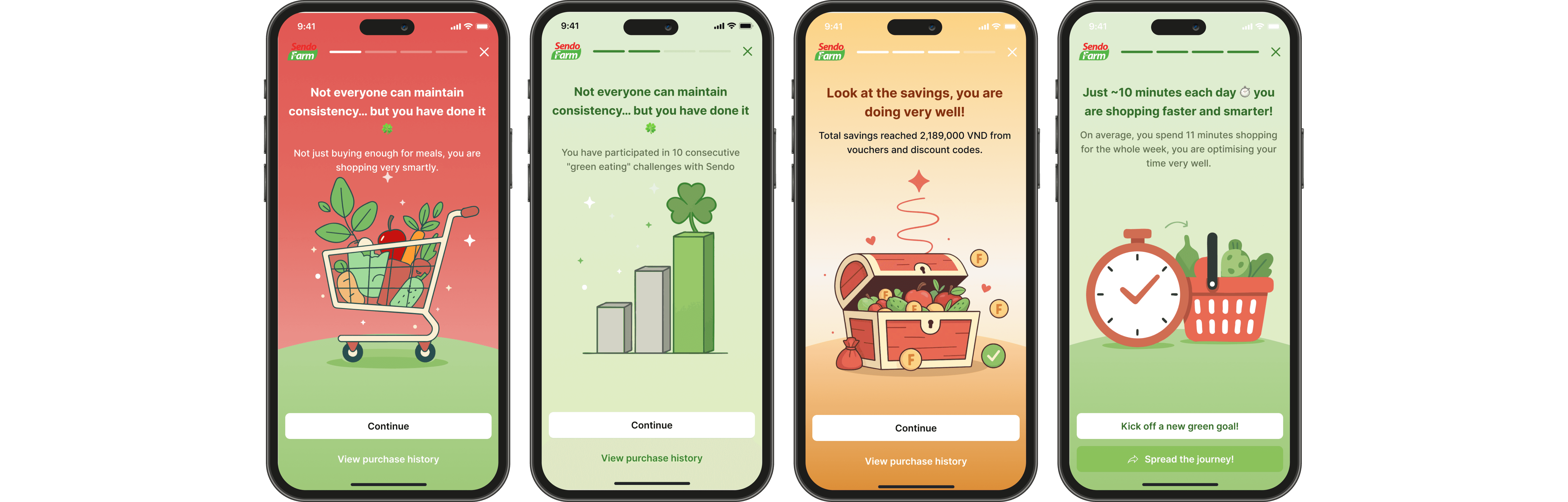
This wrap-up experience reinforces the reward phase in the Hook Model by making users’ progress and achievements visible.
By reflecting savings, effort, and positive outcomes, it creates a sense of accomplishment and emotional reward.
This strengthens the habit loop, encouraging users to return and maintain consistent behavior over time.
Users return, but the long-term value of loyalty remains unclear.
Without a clear sense of progression or rewards, motivation to stay engaged weakens — highlighting the need for an accumulative loyalty system.
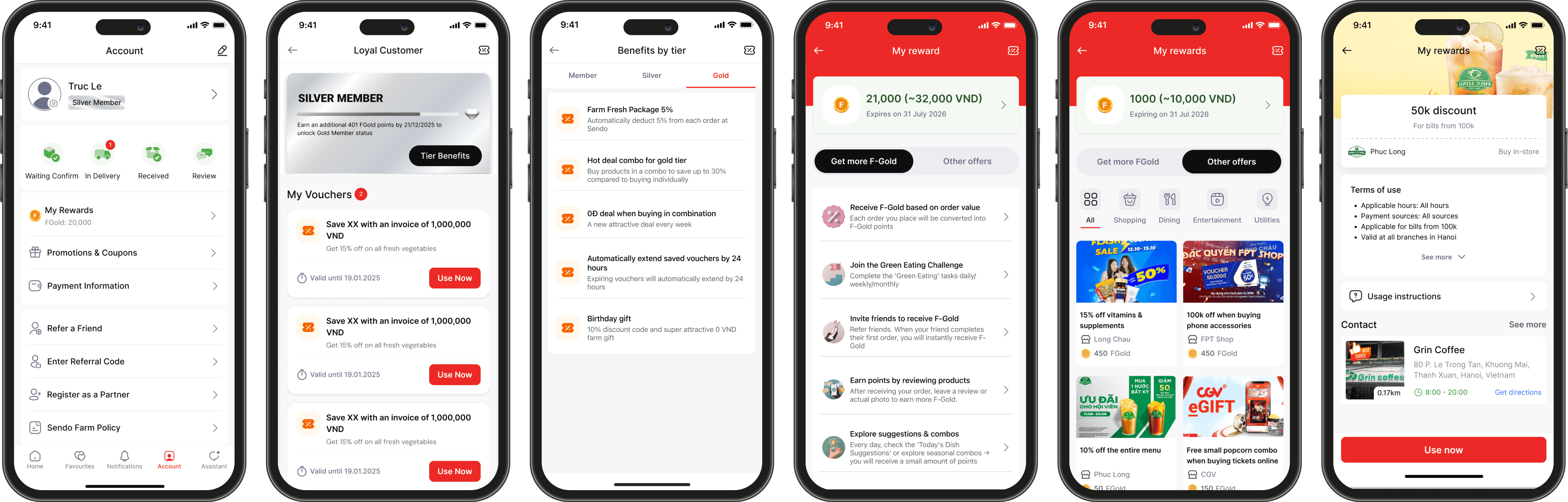
The membership system introduces a clear sense of progression through point accumulation, tiered benefits, and exclusive rewards.
By making value more visible over time, it motivates repeat purchases, encourages users to level up, and strengthens long-term engagement.